
May 19, 2026
Prevent Tick Bites this Spring and All Year Round
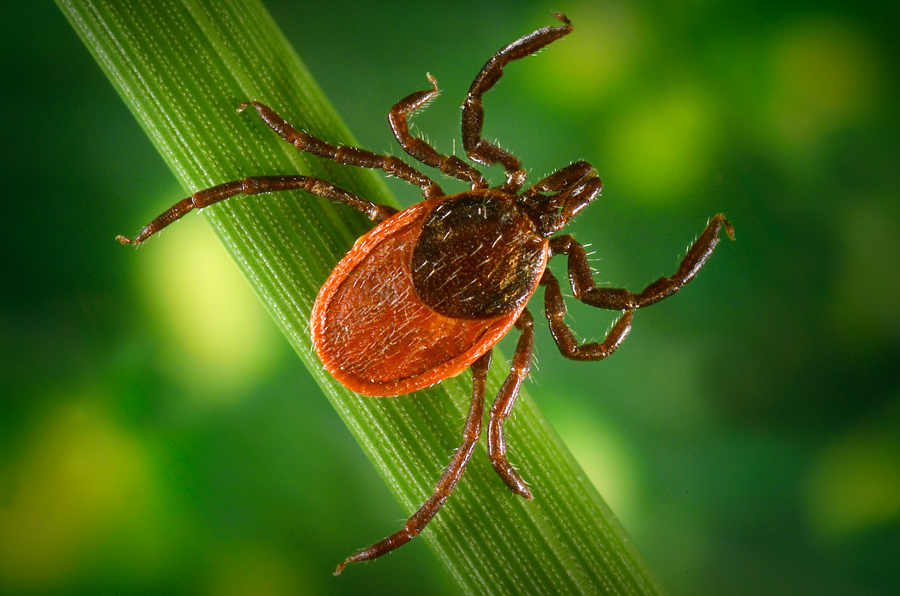
Tick bite season is off to a busy start. The CDC is reporting high numbers of emergency department visits for tick bites in New England. While you can be bitten by a tick any time of the year, many people get tick bites in the warmer months when they are doing more outdoor activities.
Certain kinds of ticks can bite and make you sick with diseases such as Lyme disease and Powassan virus. Alpha-gal syndrome, an allergic condition also known as the “red meat allergy,” is an emerging condition in Massachusetts due to the northward expansion of lone star tick populations. You can learn more about different types of ticks at the Massachusetts Department of Public Health’s (MADPH) web page on Tick-borne disease prevention. Please note that both the state and the Cambridge Health Department track and monitor local tick-bite diseases.
The Cambridge Public Health Department highly recommends that you protect yourself from tick-borne diseases by avoiding tick bites. Remember these tips:
- Check yourself for ticks once a day. Remember to check your children and pets, too. See our Tick-borne Diseases page for tick check illustrations.
- Use repellents and always follow the directions on the label.
- Shower soon after being outdoors.
- Stick to main pathways and the center of trails.
- Don’t spend a lot of time in potentially tick-infested habitats such as tall grass and shrubs.
- Pets that spend time outdoors are exposed to ticks, too, and may bring ticks back inside. Talk to your veterinarian about the best ways to protect your animals from ticks and tick-borne disease.
- See more tick prevention tips on MADPH’s tick-borne disease prevention page.
If you find a tick, don’t panic. Instead, follow these simple rules:
- Use tweezers and grab as close to the skin as possible, pulling directly upwards without twisting. This ensures the tick is completely removed to prevent infection. The CDC has more information on how to remove a tick. See an illustration at the bottom of our Tick-borne Diseases page.
- Talk to your doctor if you (or a loved one) develop a rash where you were bitten or experience symptoms such as fever, headache, fatigue, or sore and aching muscles.